
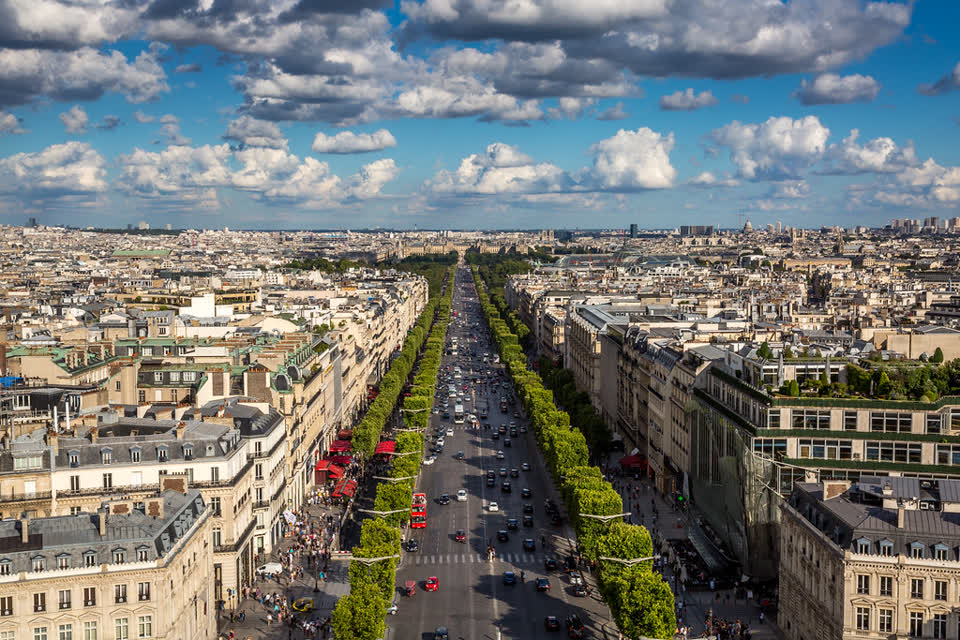
Europe’s best shopping destinations are not only about luxury labels or giant department stores. From the grand boulevards of Paris to the canal-side boutiques of Amsterdam and the historic arcades of Brussels, shopping in Europe often becomes an urban experience shaped by architecture, local habits, seasonal traditions, and street culture. Some destinations specialize in heritage craftsmanship. Others thrive on fashion events, winter lights, or local designers hidden behind narrow alleyways. This guide explores seven shopping destinations across Europe that combine retail culture with atmosphere, history, and everyday city life — while also examining what travelers often misunderstand before arriving.
Europe’s Shopping Streets Are About More Than Buying Things
People often imagine shopping in Europe as a polished sequence of luxury storefronts and expensive paper bags.
That version exists. Certainly.
But the more memorable part usually happens outside the stores themselves.
It happens when you step out of a crowded boutique in Paris and hear a violin player near the avenue trees. Or when you leave a canal-side shop in Amsterdam and spend an hour watching cyclists glide past the water with coffee balanced in one hand. Or when rain starts falling unexpectedly in Edinburgh and the glowing shop windows reflect across old stone streets that feel older than some countries.
The strongest shopping destinations in Europe are rarely just commercial districts.
They are urban theaters.
And each city performs differently.
Champs-Elysees . Paris . France
No shopping avenue in Europe carries quite the same symbolic weight as the Champs-Elysees in Paris.
Stretching through the 8th arrondissement, the boulevard blends fashion houses, historic facades, luxury flagships, cafes, cinemas, and tourist crowds into a single uninterrupted spectacle. Travelers come expecting elegance. They usually underestimate the scale.
The avenue feels less like a street and more like an international stage where nearly every major luxury brand wants visibility.
Shops from Louis Vuitton, Cartier, Chanel, Dior, Yves Saint Laurent, Montblanc, and Hugo Boss sit within walking distance of monumental Parisian architecture. Yet strangely, the avenue becomes more visually impressive after sunset, when the lighting softens the stone buildings and traffic reflections stretch across wet pavement after rain.
During Christmas season, temporary markets and street performances transform the boulevard into something closer to a festival than a retail district.
One urban travel writer once described Champs-Elysees as “a place where shopping competes with people-watching and usually loses.”
That observation feels accurate.
Because even travelers with no intention of buying anything still end up spending hours there.
Venice . Italy . Where Shopping Happens Between Narrow Alleys
Venice changes the psychology of shopping.
Unlike modern retail districts built around cars and wide storefronts, Venice forces movement through narrow passages, bridges, canals, and unexpected dead ends. You rarely walk directly toward a destination. You drift.
That drift matters.
Luxury Italian brands exist here, especially around central tourist zones, but the more interesting discoveries often happen away from the busiest pedestrian routes. Small workshops sell handmade masks, leather notebooks, Murano-inspired glass items, artisan paper goods, and locally designed accessories.
July is especially important in Italy because seasonal sales become widespread across fashion retailers. Experienced travelers plan around this period carefully.
Yet Venice also teaches restraint.
Not every “handmade” product is genuinely local. Some souvenir shops increasingly sell imported mass-produced items disguised as Venetian craftsmanship. Travelers who slow down and explore quieter lanes usually identify the difference quickly.
The best shopping moments in Venice often happen accidentally — a hidden bookstore beside a canal, an aging tailor adjusting jackets in silence, or a tiny perfume store with no English signage at all.
Nine Streets . Amsterdam . Netherlands
The Nine Streets district — De Negen Straatjes — sits within Amsterdam’s Jordaan area and feels fundamentally different from Europe’s luxury boulevards.
It is intimate instead of grand.
The district spreads across interconnected streets and canals filled with independent boutiques, local designers, vintage stores, handmade jewelry shops, specialty bookstores, and minimalist cafes.
The atmosphere encourages slower movement.
People do not rush here the way they do on Oxford Street or Champs-Elysees. They browse. Pause. Sit near canal edges. Return to the same cafe twice in one afternoon.
That rhythm shapes the shopping experience itself.
Local designers play a major role here. Unlike heavily globalized fashion districts, the Nine Streets still preserves a sense of Amsterdam identity. Window displays often feel personal rather than corporate.
And after several hours, many travelers realize the cafes become just as important as the stores.
Watching canal life from a corner cafe in Amsterdam may ultimately become the memory that outlasts any purchase.
Princes Street . Edinburgh . Scotland
Edinburgh at night can feel unexpectedly theatrical.
Especially during winter.
Princes Street sits between Old Town and New Town, creating a commercial corridor framed by historic architecture, hotels, monuments, and dramatic skyline views.
Unlike some shopping streets designed purely for consumption, Princes Street constantly reminds visitors where they are historically. Castle silhouettes appear above rooftops. Old stone facades absorb rain and light differently than modern cities.
Department stores, restaurants, souvenir shops, bookstores, and Scottish fashion retailers line the area. Tartan products and wool goods remain especially popular, though quality varies widely.
Travelers interested in Scottish identity often enjoy the side streets even more than the main avenue itself.
Because the atmosphere is not sterile.
Street musicians perform beside historic buildings. Wind moves through the open spaces near the gardens. Weather changes quickly. Edinburgh refuses visual perfection, and that imperfection improves the experience.
Galeries Royales Saint-Hubert . Brussels . Belgium
Opened in the 19th century, Galeries Royales Saint-Hubert remains one of Europe’s earliest covered shopping arcades.
And unlike many historic arcades elsewhere, this one still feels alive rather than preserved.
Glass ceilings flood the corridor with natural light. Chocolate shops stand beside luxury boutiques and antique-inspired storefronts. Cafes spill outward into walking paths where travelers linger far longer than planned.
The architecture matters as much as the shopping.
You do not simply buy Belgian chocolate here. You buy it while surrounded by 1840s elegance that quietly reminds visitors how early Europe merged commerce with architecture.
This arcade also reveals how Belgium approaches urban sophistication differently from France or Britain. Less dramatic. Less performative. More understated.
Many experienced travelers describe Brussels as a city that improves once expectations become realistic.
The shopping arcade reflects that perfectly.
Oxford Street . London . England
Oxford Street operates at a completely different speed from every destination on this list.
Fast. Loud. Dense.
Thousands of stores stretch across central London in a continuous stream of fashion chains, department stores, global brands, cosmetics retailers, and flagship locations.
This is not slow shopping.
It is urban momentum.
Fashion events frequently shape the district, and sales periods create intense crowd surges that surprise first-time visitors. One important detail travelers often misunderstand: discounts in London can appear suddenly and disappear just as quickly.
There is no single perfect “sale season.”
And despite the scale of commercial activity, Oxford Street also functions as a social stage. Office workers, tourists, influencers, students, luxury shoppers, and commuters all overlap here simultaneously.
Occasionally, celebrities appear almost casually among ordinary shoppers, which somehow feels very London.
Chaotic. Unscripted. Expensive.
But energetic.
Mittenwald . Bavaria . Germany
Mittenwald feels entirely different from Europe’s capital-city shopping districts.
Located in Bavaria, the town resembles an illustrated storybook more than a retail center. Painted buildings, mountain scenery, traditional shopfronts, and narrow pedestrian areas create a slower, quieter experience focused on craftsmanship and atmosphere.
This is where travelers browse scarves, handmade ornaments, local clothing, woodcraft, jewelry, and regional souvenirs while surrounded by Alpine architecture.
The visual consistency matters.
Unlike heavily commercialized tourist districts elsewhere, Mittenwald still feels tied to local life. Shops integrate naturally into the town rather than overwhelming it.
Winter adds another layer entirely. Snowfall changes the streetscape into something cinematic, though colder weather also reduces operating hours in some smaller stores.
Travelers who prefer independent boutiques over luxury chains often rank Bavaria surprisingly high for shopping experiences.
Not because it is fashionable.
Because it feels human.
Things The Media Doesn’t Tell You
Most travel content about shopping in Europe focuses almost entirely on brands, discounts, and aesthetics.
The reality is more complicated.
1. Timing Changes Everything
The same shopping street can feel magical at 9 AM and exhausting at 3 PM. Crowd density dramatically affects the experience, especially in Paris, London, and Venice.
Professional travel planners increasingly build shopping schedules around pedestrian flow rather than store opening hours alone.
2. Tourist Zones Can Distort Prices
Not every “local” product is authentic. Venice, Paris, and Prague especially struggle with imported souvenirs sold as regional craftsmanship.
Before purchasing expensive artisan goods, check reviews, compare stores, and ask direct questions about production origin.
3. Europe Shops Earlier Than Many Americans Expect
Outside major capitals, smaller shops may close earlier than travelers assume, especially on Sundays.
Germany and parts of Belgium can feel surprisingly quiet in the evening compared with Asian shopping cities.
4. Coffee Culture Is Part Of The Shopping Culture
Experienced travelers rarely schedule nonstop retail activity.
They pause.
A coffee break in Amsterdam or Brussels is not an interruption to shopping. It is part of the experience itself.
5. Social Media Often Crops Out Reality
TikTok clips rarely show the rain, long queues, packed sidewalks, or tourist congestion during peak months.
To gather more accurate planning data without traveling first:
- Read negative Google Maps reviews
- Search recent Reddit travel discussions
- Watch current YouTube walking tours
- Check recent TikTok uploads by independent travelers
- Browse Facebook expat groups for local opinions
This provides more realistic expectations than polished influencer content alone.
Why Europe’s Shopping Streets Remain Memorable
In the end, people rarely remember exactly what they bought.
They remember atmosphere.
The violin echoing through Paris at night. The smell of rain near Edinburgh Castle. Reflections in Amsterdam canals. Venetian alleyways that seemed to rearrange themselves every hour. Chocolate shops glowing under Brussels glass arcades. Red London buses moving past sale banners. Bavarian windows lit against mountain fog.
The purchases eventually become secondary.
But the streets remain vivid long after the receipts disappear.
Amsterdam’s Nine Streets . The Slow Shopping District Travelers Wish They Knew Earlier
Europe shopping streets, Champs Elysees shopping, Venice fashion shopping, Amsterdam Nine Streets, Oxford Street London, Brussels shopping arcade, Edinburgh shopping guide, Bavaria shopping town, luxury shopping Europe, Europe travel shopping, Paris fashion avenue, Venice local shops, Amsterdam boutiques, London retail guide, European shopping trip
