
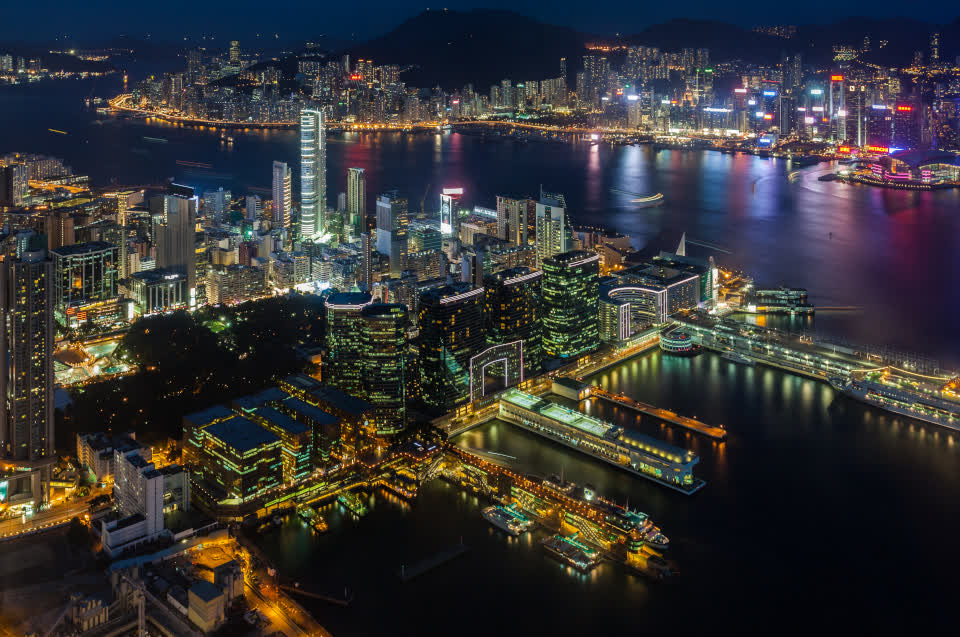
Hong Kong After Dark . 8 Experiences That Define the City Beyond the Skyline
Full Summary Table
| Experience | Location | Why It Matters |
|---|---|---|
| Victoria Peak | Victoria Peak | Best panoramic city view |
| Lin Heung Tea House | Lin Heung Tea House | Traditional tea culture |
| Traditional Boat Ride | Hong Kong Islands | Historic maritime identity |
| InterContinental Infinity Pool | InterContinental Hong Kong | Harbor-facing luxury experience |
| Temple Street Night Market | Temple Street Night Market | Street culture and food |
| Cha Chaan Teng Restaurants | Cha Chaan Teng | Working-class food heritage |
| Hong Kong Ferry | Star Ferry | Iconic harbor transportation |
| Disneyland Hong Kong | Hong Kong Disneyland | Family entertainment destination |
Hong Kong After Dark . 8 Experiences That Define the City Beyond the Skyline
Hong Kong rarely introduces itself quietly.
The city arrives in layers:
- glass towers,
- flashing harbor reflections,
- tram bells,
- ferry horns,
- steam rising from noodle kitchens after midnight.
For many travelers, the first reaction is sensory overload. The second is fascination.
But Hong Kong is not simply a “city that never sleeps.” That phrase is too generic for a place built from collisions:
- British colonial history,
- Cantonese food culture,
- island geography,
- hyper-density urban planning,
- maritime trade routes,
- financial ambition.
One travel writer once described Hong Kong this way:
“It feels less like a city and more like compressed momentum.”
That observation still holds.
The most rewarding experiences here are not necessarily the expensive ones. They are the moments where Hong Kong reveals how it actually functions beneath the skyline photography.
Victoria Peak . Understanding Hong Kong From Above
If you want to understand why Hong Kong became one of Asia’s defining cities, start from elevation.
Victoria Peak offers the clearest explanation.
From the summit, the city unfolds in layers:
- Victoria Harbour,
- dense residential towers,
- container terminals,
- green mountain ridges,
- ferries crossing between islands.
The geography immediately explains the city’s intensity.
Hong Kong was forced to build vertically because usable land remained limited between mountain and sea. From above, urban density stops feeling chaotic and starts feeling engineered.
Daytime visits emphasize structure.
Nighttime visits emphasize energy.
And the transformation after sunset is dramatic.
The skyline becomes kinetic rather than architectural.
One experienced traveler once noted:
“Hong Kong at night doesn’t illuminate itself softly. It announces itself.”
That statement becomes obvious from Victoria Peak.
Lin Heung Tea House . A Living Piece of Old Hong Kong
Modern Hong Kong changes rapidly. Restaurants disappear. Buildings redevelop. Entire neighborhoods evolve within a decade.
That is partly why places like Lin Heung Tea House matter.
Located on Wellington Street in Central Hong Kong, the tea house preserves an older rhythm rarely found in newer dining districts.
Inside, the atmosphere feels intentionally traditional:
- old-style seating arrangements,
- crowded communal tables,
- traditional Cantonese tea culture,
- servers moving quickly through narrow pathways.
Visitors should try:
- lotus seed buns,
- sticky rice dumplings,
- traditional tea service.
But the real experience is observational.
People here are not only eating. They are participating in a ritualized social structure that predates Hong Kong’s financial-center identity.
Renting A Traditional Boat . Seeing Hong Kong As A Maritime City
Most tourists experience Hong Kong through:
- subways,
- shopping districts,
- skyscrapers.
But historically, Hong Kong developed through water.
The territory itself includes hundreds of islands, and renting a small traditional-style boat changes spatial perception entirely.
From the harbor, the skyline becomes less dominant. You begin noticing:
- fishing routes,
- cargo movement,
- island spacing,
- coastline textures.
The city suddenly feels maritime instead of metropolitan.
One writer once remarked:
“Every great port city reveals its personality more honestly from the water.”
Hong Kong proves that point repeatedly.
Even a short boat excursion helps travelers understand why fishermen, traders, and even pirates historically navigated these waters long before tourism existed.
InterContinental Hong Kong . Luxury Framed By Victoria Harbour
Hong Kong understands visual positioning exceptionally well.
The infinity pools at InterContinental Hong Kong demonstrate this perfectly.
Facing Victoria Harbour directly from the Avenue of Stars district, the pools create the illusion that water continues seamlessly into the harbor itself.
Different temperature pools:
- cold,
- warm,
- hot
allow guests to experience the skyline almost like a staged cinematic environment.
But beyond luxury, this location highlights an important truth about Hong Kong:
waterfront space here functions as premium psychological territory.
Space is limited. Views become currency.
Temple Street Night Market . Organized Chaos After Sunset
Temple Street Night Market is not polished.
That is exactly why it works.
Stretching through central Kowloon from Jordan Road toward Kansu Street, the market becomes fully active after dark.
Under exposed hanging bulbs, vendors sell:
- seafood,
- electronics,
- imitation watches,
- herbal products,
- clothing,
- street snacks.
The market’s atmosphere depends on density:
- overlapping conversations,
- smoke from food stalls,
- rapid bargaining,
- narrow walking lanes.
At first glance, it can feel overwhelming.
But after spending time there, patterns emerge.
Locals navigate efficiently. Vendors recognize repeat customers. Temporary street infrastructure operates with surprising coordination.
This is not random disorder.
It is adaptive urban choreography.
Cha Chaan Teng . The Working-Class Soul of Hong Kong Food
During the economic expansion of the 1960s and 1970s, Hong Kong’s middle and working classes demanded affordable dining that still felt modern.
That demand created the Cha Chaan Teng phenomenon.
These hybrid cafés combined:
- Western-inspired dishes,
- Cantonese adaptation,
- local affordability,
- rapid service culture.
Menus often include:
- soy sauce chicken pasta,
- pork dishes,
- milk tea,
- coffee combinations.
To outsiders, the combinations can appear strange.
But Cha Chaan Teng restaurants reveal Hong Kong’s hybrid identity more honestly than luxury dining ever could.
They represent adaptation under pressure:
British influence filtered through Cantonese practicality.
Star Ferry . Why A Short Ferry Ride Still Matters
Modern transport reduced ferry crossing times between Kowloon and Hong Kong Island dramatically.
But speed is not the point.
Taking the ferry remains one of the most effective ways to understand Hong Kong spatially.
Within minutes, passengers observe:
- cargo ships,
- financial towers,
- residential blocks,
- harbor infrastructure,
- shifting coastline perspectives.
Before 8 PM is particularly ideal because ferries often pause briefly in the harbor during the Symphony of Lights show.
The skyline then transforms into performance architecture.
Hong Kong Disneyland . Escaping Urban Compression
Hong Kong’s density creates intensity.
Intensity eventually creates fatigue.
That partly explains why Hong Kong Disneyland remains popular beyond families with children.
The park divides experiences into themed zones:
- Main Street,
- Fantasyland,
- Adventureland,
- Tomorrowland.
The importance of Disneyland here is psychological.
It provides spatial release from Hong Kong’s compressed urban structure.
Wide walkways suddenly replace crowded sidewalks. Controlled fantasy replaces urban unpredictability.
For many travelers, especially families, that contrast becomes surprisingly refreshing.
Things The Media Doesn’t Tell You
Travel videos often reduce Hong Kong into neon imagery and skyline photography.
The reality is more layered.
1. Hong Kong Is Physically Exhausting
The city involves:
- stairs,
- steep streets,
- constant walking,
- crowded transit systems.
Even experienced travelers underestimate the physical energy required daily.
2. Space Changes Human Behavior
Hotel rooms are often compact. Restaurants can feel crowded. Public areas remain highly active.
Privacy functions differently here than in Europe or North America.
3. Temple Street Is Not A “Luxury Experience”
Some visitors romanticize night markets excessively.
In reality:
- it is noisy,
- humid,
- crowded,
- occasionally chaotic.
That atmosphere is part of the authenticity.
4. The Best Food Is Rarely The Most Photogenic
Many excellent local meals happen in:
- older cafés,
- crowded tea houses,
- small family-run restaurants.
Not rooftop dining rooms.
5. Weather Can Reshape Your Entire Itinerary
Humidity and heat affect:
- walking comfort,
- ferry visibility,
- outdoor exploration pace.
Summer planning requires flexibility.
6. Hong Kong Changes Quickly
Restaurants close. Streets redevelop. Traditional businesses disappear.
If you want to experience older Hong Kong culture, postponing too long can genuinely alter what you encounter.
7. Social Media Distorts Scale
Wide-angle drone photography makes the city appear cleaner and more spacious than reality.
Hong Kong’s real identity includes compression, movement, and friction.
That tension is part of its appeal.
How To Gather Real-World Data Before Visiting
If you want accurate trip expectations without traveling first:
- Read negative Google reviews about crowd levels and wait times
- Watch recent walking videos filmed without cinematic editing
- Search Reddit and Facebook groups for local transport advice
- Use TikTok to compare weekday and weekend conditions
- Look specifically for comments about:
- ferry schedules,
- market crowding,
- humidity,
- restaurant wait times,
- MTR station congestion
Without updated context, many travelers underestimate the city’s operational intensity.
Community Perspective
Frequent visitors often describe Hong Kong similarly:
“The city rewards curiosity more than comfort.”
That statement explains why some travelers become obsessed with Hong Kong while others feel overwhelmed after only two days.
The city does not simplify itself for visitors.
And that is precisely what makes it memorable.
Exploring Hong Kong Like A Local . From Cha Chaan Teng Cafes to Temple Street.
Hong Kong travel, Victoria Peak view, Temple Street Market, Hong Kong ferry, Cha Chaan Teng, Hong Kong nightlife, Lin Heung Tea, Hong Kong skyline, Kowloon night market, Hong Kong food guide, Hong Kong itinerary, Hong Kong islands, Hong Kong Disneyland, Victoria Harbour, Hong Kong street food
