
Things The Media Never Tells You About Binh Ba Island Tourism
Most travelers searching for Vietnam beach destinations end up comparing places like Da Nang, Nha Trang, or Phan Thiet. Few realize that some of the country’s most memorable coastal experiences happen on islands where tourism still shares space with ordinary fishing life. Binh Ba Island is one of those places. It is not polished. It is not designed entirely for international tourism. And that is precisely why people leave talking about it long after returning home.
An Island That Still Feels Like A Working Community
Binh Ba sits off the coast near Cam Ranh, more than 300 kilometers from Ho Chi Minh City. The island is relatively small, yet more than three thousand residents live and work there, mostly connected to fishing and lobster farming.
That detail changes the atmosphere immediately.
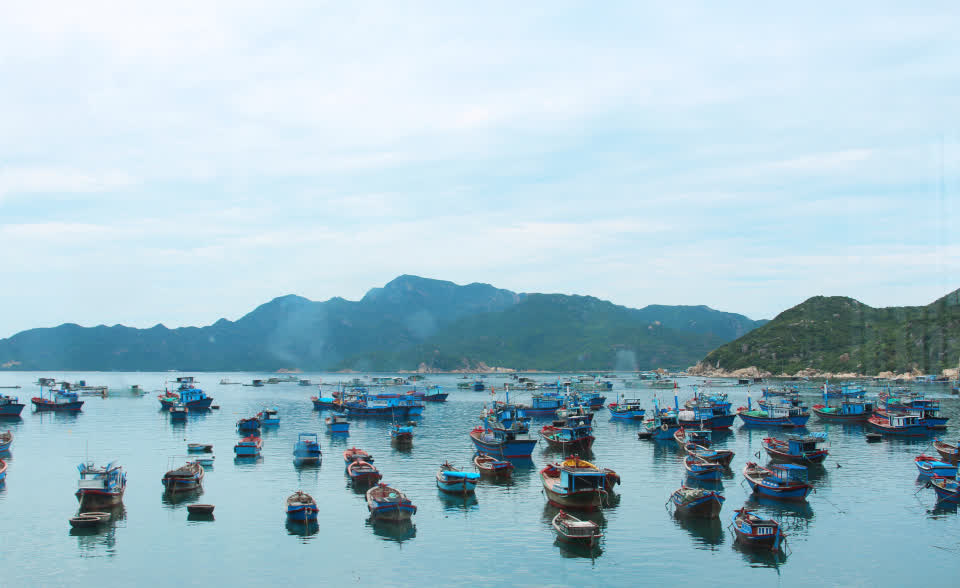
This is not the kind of island where every street exists to entertain tourists. Fishermen repair nets outside homes. Boats leave before sunrise. Floating seafood farms drift quietly across the bay while local children jump into the water beside them as if tourism barely exists.
Travelers expecting curated resort culture often seem surprised during their first few hours here.
Binh Ba feels slower. More practical. More connected to the sea itself.
One traveler in a Vietnamese backpacking group wrote:
“I thought I was visiting a beach island. It felt more like stepping inside someone else’s coastal routine.”
That observation explains the island better than most travel advertisements.
The Ferry Ride Changes The Mood Before Arrival
Getting to Binh Ba requires effort compared to mainstream destinations. And strangely, that effort improves the experience.
Travelers usually reach Cam Ranh first, then continue by boat toward the island. The transition matters psychologically. Mainland Vietnam slowly disappears behind salt haze while floating fish farms begin appearing across the water.
The island does not announce itself dramatically.
It emerges gradually.
There are no giant skyline hotels waiting at the harbor. No massive entertainment complexes. Just fishing boats rocking against the dock, seafood smoke drifting through narrow streets, and motorbikes parked beside houses painted by years of sea wind.
Experienced travelers often recognize something important at this point:
Destinations that require one extra transport step frequently preserve more local character.
Binh Ba still carries that feeling.
Seafood Here Is Not Just A Meal . It Is Infrastructure
Most articles describing seafood in Vietnam focus only on taste. Binh Ba deserves a more layered explanation because seafood here shapes daily life, local economics, social routines, and tourism simultaneously.
Floating lobster farms dominate the surrounding waters. Visitors can walk directly onto these floating platforms and eat seafood only meters away from where it was raised.
The simplicity stands out.
Fresh fish grilled over charcoal. Shellfish cooked with minimal seasoning. Lobster roasted over open flame while the sea moves underneath the wooden floorboards. The dipping sauce — salt, green chili, lime, and seasoning crushed together — sounds uncomplicated until you taste it with seafood that was alive moments earlier.
The flavor feels intensely local because it depends more on freshness than technique.
Travelers often romanticize these meals online, but there is another side worth understanding.
Fishing communities around Vietnam face increasing environmental pressure, fluctuating tourism demand, and changing marine ecosystems. Lobster farming has improved incomes for some families while also creating sustainability concerns discussed frequently in Vietnamese coastal forums.
Ignoring those realities makes travel writing less honest.
Understanding them makes the experience richer.
Things The Media Doesn’t Tell You
Social media presents Binh Ba as untouched paradise. Reality is more interesting than that.
The island remains partly raw because tourism infrastructure is still uneven. Electricity interruptions occasionally happen during crowded weekends. Waste management becomes strained during peak domestic holidays. Mobile internet can weaken depending on weather and network congestion.
These details rarely appear in polished drone footage.
But they matter if you want a better trip.
Before visiting Binh Ba, travelers should gather “real data” instead of relying only on promotional content:
- Read recent negative Google reviews for guesthouses and boats
- Join Vietnamese Facebook travel communities discussing Cam Ranh and Binh Ba
- Watch TikTok videos uploaded during weekends or bad weather days
- Search YouTube for ferry conditions during high season
- Check local traveler comments about coral visibility and overcrowding
Why does this matter?
Because islands change rapidly.
A beach that looks isolated in an old travel vlog may become crowded months later. Coral conditions vary seasonally. Seafood experiences depend heavily on weather and fishing conditions. Some travelers arrive expecting luxury service and leave frustrated because they misunderstood the island entirely.
Binh Ba works best for flexible travelers.
Not perfectionists.
Snorkeling In Binh Ba Feels Different For One Important Reason
Many beaches in Southeast Asia advertise coral snorkeling. Fewer still leave travelers genuinely surprised underwater.
Binh Ba occasionally does.
The waters around the island still contain coral sections with stronger color variation than travelers expect after visiting more heavily damaged tourist beaches elsewhere. Red, orange, blue, and green formations appear vividly under favorable sunlight conditions.
Visibility changes constantly depending on tide and season, but experienced local fishermen know where conditions remain better.
And this is where the island becomes emotionally memorable.
You are not simply boarding a commercial snorkeling boat. Often, local residents guide visitors personally. Fishing trips merge into snorkeling excursions. Travelers suddenly find themselves hand-catching squid or octopus under instruction from fishermen who learned these waters long before tourism arrived.
One traveler from Australia commented online:
“I’ve done organized snorkeling tours across Southeast Asia. Binh Ba felt less commercial and more improvised in the best possible way.”
That word — improvised — captures the island perfectly.
The Strange Appeal Of Floating Life
Perhaps the most unusual part of Binh Ba is not the beaches themselves.
It is the floating world surrounding them.
Tourists can rest directly on floating lobster farms, sometimes lying in hammocks while waves move beneath wooden platforms. The sensation feels strangely calming at first and slightly disorienting later at night when the structure shifts gently with the sea.
The media rarely discusses this side of the experience because it is difficult to package neatly.
You hear generators humming in the distance. Fishing boats pass unexpectedly at dawn. Salt air clings permanently to clothes. Conversations drift across the water between families working nearby.
Luxury travelers may find it inconvenient.
Curious travelers often become fascinated by it.
Why Solo Travelers Connect With Binh Ba
The original reputation of Binh Ba as a destination “for single people” says less about romance and more about freedom.
The island encourages unstructured movement.
You can wake early and join fishermen heading offshore. Spend hours drifting between seafood rafts. Ride around narrow coastal roads without fixed plans. Sit alone watching storms form beyond Cam Ranh Bay while eating grilled squid from a roadside stall.
There is less pressure to perform tourism here.
That matters.
Modern travel culture often turns destinations into productivity contests — checklists, drone footage, perfect schedules, algorithm-friendly photos. Binh Ba disrupts that rhythm slightly. The island rewards wandering more than optimization.
And that may explain why independent travelers become emotionally attached to it.
What Experienced Travelers Understand About Binh Ba
People who travel frequently eventually recognize a pattern.
The destinations remembered longest are rarely the most luxurious.
They are the places where atmosphere outweighs convenience.
Binh Ba survives in that category because it still feels partially unresolved. Tourism exists, but it has not completely overwritten local identity. Fishing culture still dominates the rhythm of the island. Nature still shapes schedules. Weather still matters.
You do not visit Binh Ba only to see the sea.
You visit to observe how people continue living with it.
That distinction changes everything.
Snorkeling And Night Fishing In Binh Ba . Vietnam Beyond The Resorts.
Binh Ba Island, Vietnam island travel, Cam Ranh beaches, Binh Ba seafood, Vietnam snorkeling, lobster island Vietnam, Binh Ba travel, floating seafood farms, Vietnam fishing island, Binh Ba coral reef, Vietnam coastal travel, Cam Ranh tourism, Vietnam seafood experience, island hopping Vietnam, solo travel Vietnam
